European laundries
A full laundry that disappears behind a set of doors. The clever answer when there's no room for a laundry room — ideal for townhouses, apartments and baches.
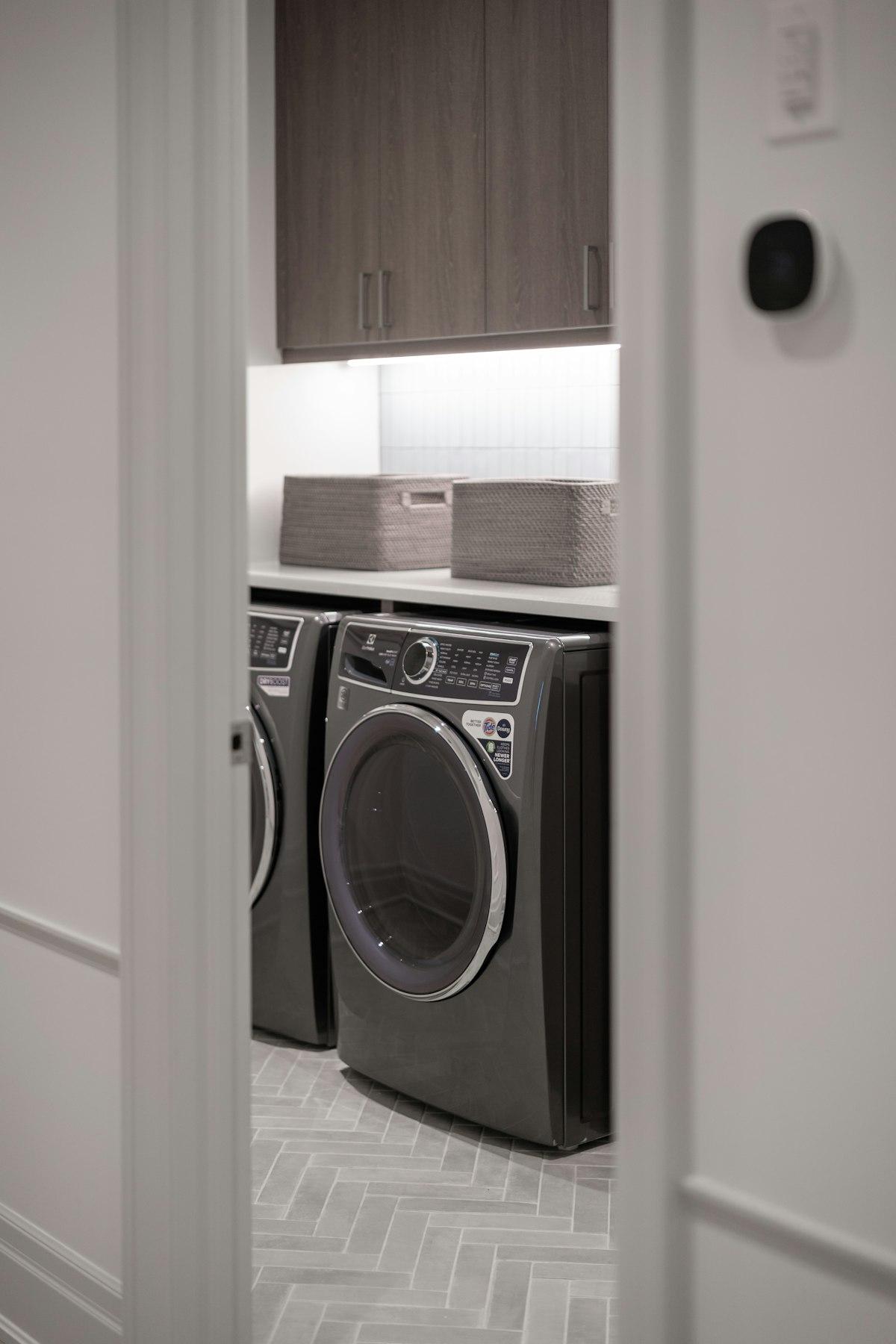
Book a free design consultA European laundry tucks the washer and dryer behind cabinetry so the whole thing vanishes when you close the doors — in a hallway cupboard, along a kitchen wall, or in a corner of the bathroom. It's the go-to when a separate laundry room isn't on the cards, and it's increasingly common in Waikato townhouses and the new subdivisions. Done well, you'd never know it was there.
Where a European laundry suits
It shines in homes where floor space is precious: townhouses, apartments, small units and baches. A hallway cupboard near the bedrooms keeps the washing close to where clothes live. A run along the kitchen wall works when the plumbing is already nearby. A bathroom corner makes sense when you want everything wet in one place. The right spot comes down to where the services run and where you'd rather not give up a room.
Side by side, or stack to save width
If you've got around 1.3–1.4m of width, a side-by-side washer and dryer with a bench over the top is the comfortable option. Where the cupboard is genuinely narrow — about 700mm — stacking the dryer on top of the washer fits a complete laundry into a single door's worth of space, and frees the side for a tall column of shelving. We size it around the exact machines you own.
Ventilation isn't optional
Shut a warm, damp dryer inside a sealed cupboard and you're growing mould by the weekend. The honest trade-off with a concealed laundry is that it has to breathe. We plan vented doors and an airflow gap, and we'll steer you toward a condenser or heat-pump dryer that keeps moisture out of the room, or ducting if you're running a vented one. Get this right and the cupboard stays fresh for years.
Make every centimetre work
- A benchtop over front-loaders for folding, or a fold-down bench that stows away.
- A tall column of shelves beside or above the machines for detergents and baskets.
- A pull-out rail or drop-down rack for drying the odd delicate inside.
- Drawers in the base for pegs, cloths and cleaning bits.
- A power point positioned so cords don't tangle behind the machines.
Doors that match the room
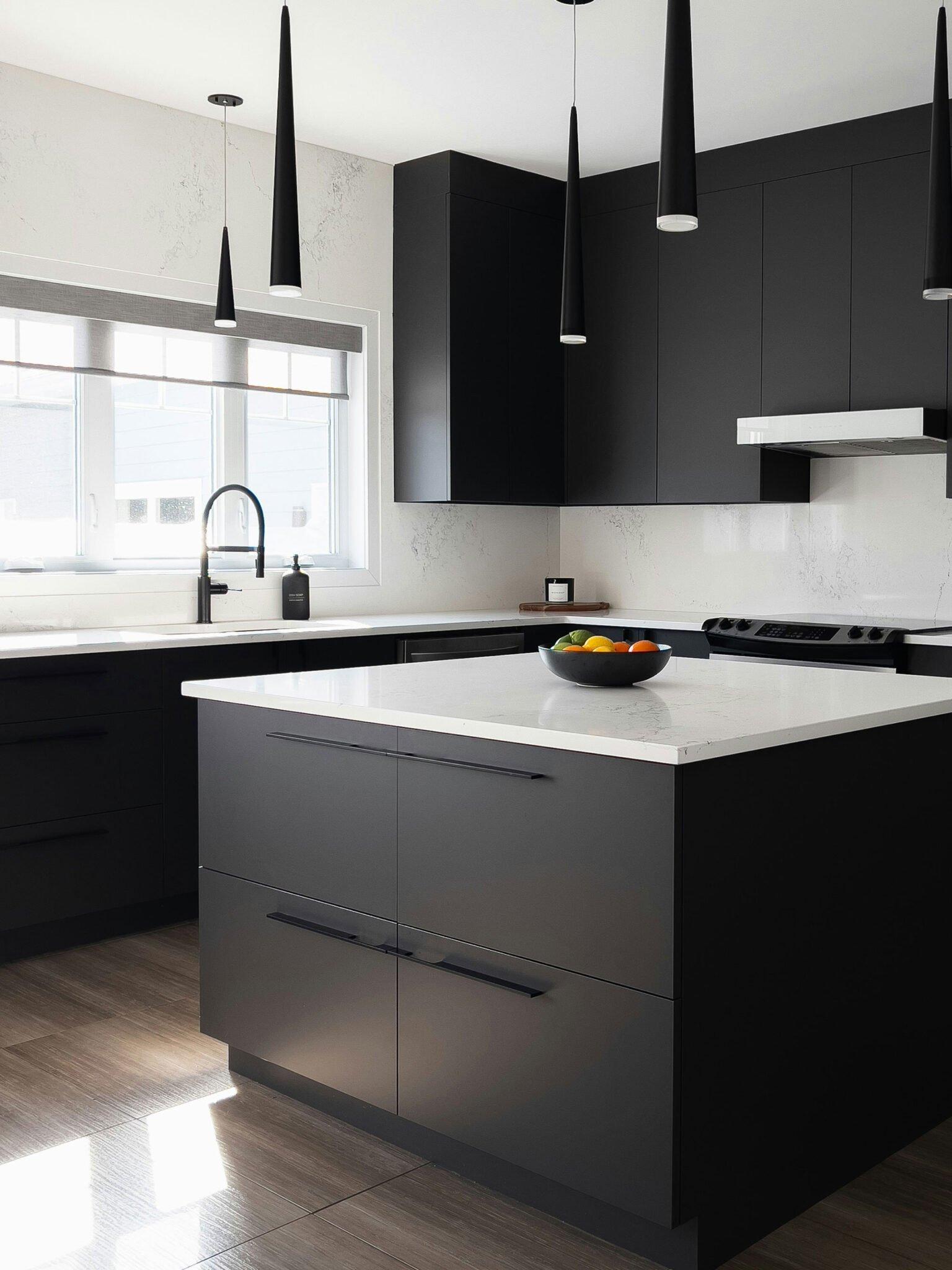
The doors are what make a European laundry disappear, so they matter. Bi-fold doors fold right back for full access without swinging into the hallway; standard hinged doors are simpler and cheaper; a cavity slider vanishes entirely. We match the fronts to the surrounding joinery — the same colour and handles as your kitchen or hallway cabinetry — so the laundry reads as part of the home, not a cupboard that got repurposed.
Designed, built and fitted by one team
Because we make the cabinetry in our own Rotorua factory, a European laundry can carry the exact finish of your kitchen and sit flush into the surrounding joinery. We measure up, show it to you in 3D, and give you a fixed written quote before we start. We work across Rotorua and the Waikato.
Frequently asked questions
What is a European laundry?
How much width does a European laundry need?
Do European laundries need ventilation?
Can you still have a bench and sink in a European laundry?
Fit a full laundry into a cupboard
Book a free design consultation. We'll measure the space, plan a concealed laundry that breathes, and give you a clear fixed quote.