Kitchen handles: a practical guide
Styles, sizes, placement and finishes — how to choose handles that look right and work every day.
Book a free design consultKitchen handles are small, but you touch them dozens of times a day and they set the tone of the whole kitchen. The right choice comes down to four things: style (bar pull, knob, edge pull or handleless), size relative to the door or drawer, where it sits, and a finish that suits both the look and how much cleaning you want to do.
What are the main types of kitchen handles?
Bar pulls are the most popular choice in NZ kitchens — a simple bar on two posts. They're comfortable to grab, suit almost any style and come in every length from small door pulls to long pantry handles.
D-handles and cup pulls have a softer, more traditional look and pair naturally with shaker doors in villas and character homes.
Knobs work well on doors and small drawers, but are harder to pull on heavy, wide drawers. Many kitchens mix knobs on doors with pulls on drawers.
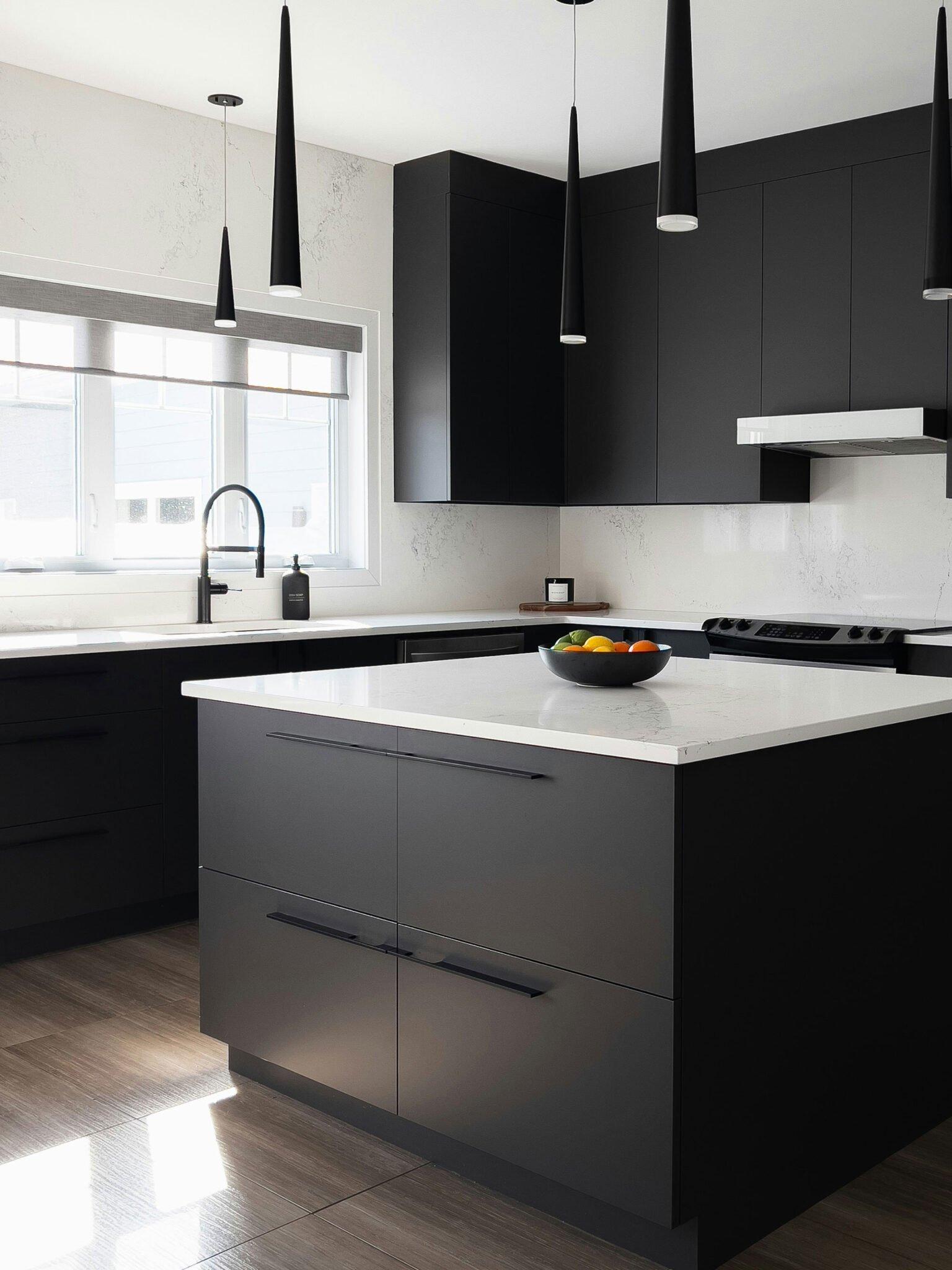
Edge and finger pulls sit on the top edge of a door or drawer, so they almost disappear from the front — a good middle ground between handles and handleless.
Handleless kitchens use a routed finger groove, a recessed channel running along the cabinetry, or push-to-open hardware. It's the cleanest look, but it needs to be designed in from the start.
What size should kitchen handles be?
Handles are sold by their hole-to-hole (centre-to-centre) measurement — common sizes are 96, 128, 160, 192 and 320mm. A handy guide is to use a pull about a third the width of a drawer. Wide pot drawers can take a longer pull, or two smaller ones. Doors rarely need anything over 160mm, while tall pantry and fridge-panel doors look best with a long pull that's easy to reach at any height.
Sticking to one or two sizes across the kitchen keeps it looking calm and considered, and makes replacing a handle later much easier.
Where should handles be placed?
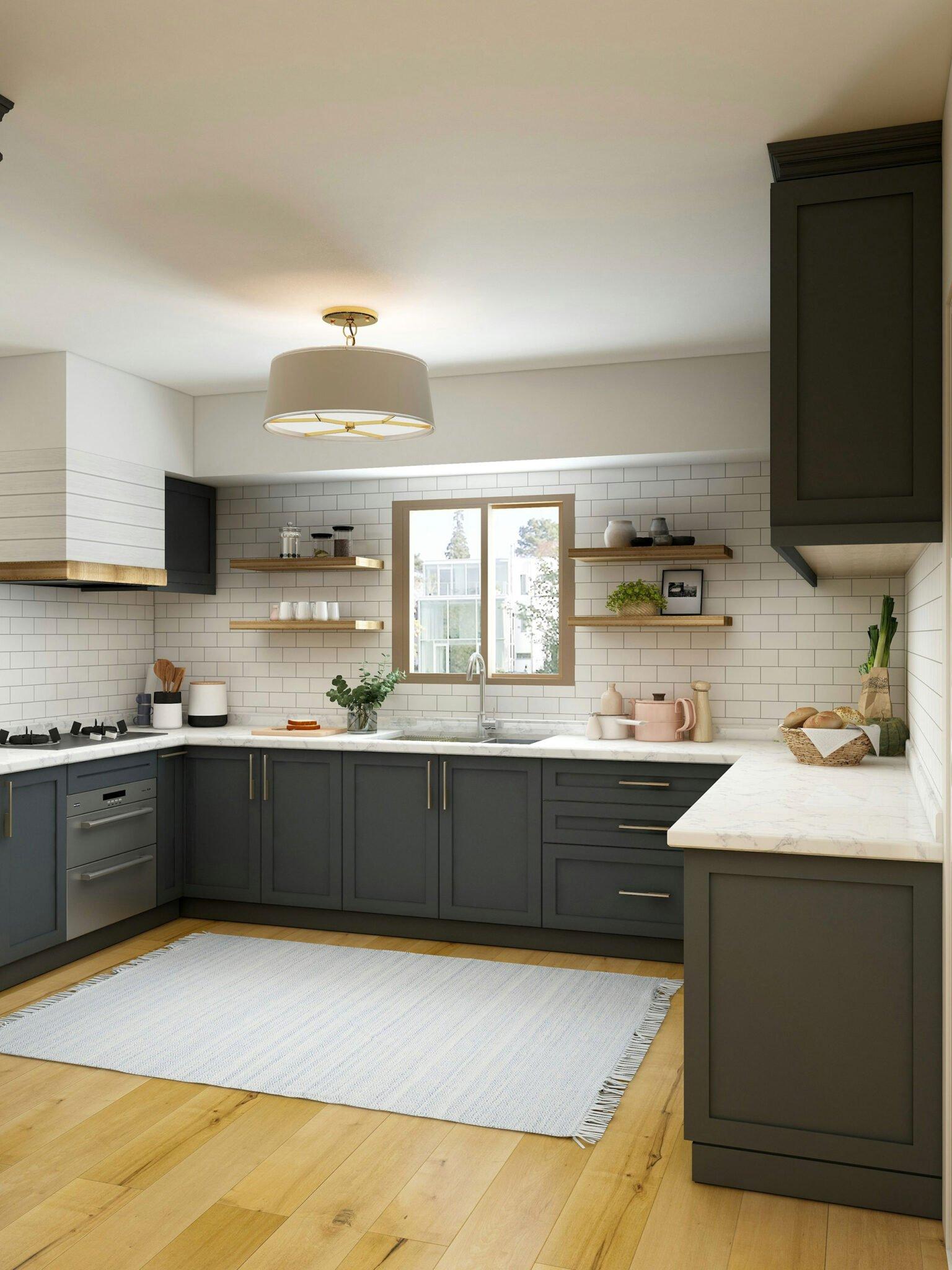
Drawers usually take a horizontal handle centred on the drawer front, or centred in the top third on deep drawers. Doors take a vertical handle near the opening edge — at the top of base cabinets and the bottom of overhead cabinets. Your cabinet maker should set these out on the drawings so every handle lines up.
Which handle finishes are popular in NZ?
Matte black remains a favourite for its contrast with white and timber cabinetry. Brushed brass and bronze add warmth and suit green, navy and timber kitchens. Brushed stainless and nickel are the practical all-rounders, and they're forgiving with fingerprints. If your home is near the coast, ask about finishes rated for humidity and salt air.
Handles or handleless — which is better?
Neither is better — it depends on the look and how you use the kitchen. Handles are forgiving, easy to clean and simple to change later. Handleless gives an uninterrupted, minimal finish, but needs more careful detailing and, for push-to-open doors, a quality mechanism. Plenty of our kitchens mix the two: handleless on the main run and island, with pulls on the tall pantry.
Frequently asked questions
What size handles should I use on kitchen cabinets?
Should kitchen handles go horizontal or vertical?
Are handleless kitchens practical?
What handle finish is easiest to keep clean?
Can I change the handles on my existing kitchen?
Planning a new kitchen?
We'll help you choose the hardware along with everything else. Book a free in-home consultation and get a clear fixed quote.